Year-end accounts: where to store invoice files when space is tight?
Invoice boxes, contracts, accounting files… Learn a simple method to archive without clutter, and choose the right self-storage unit near Bayonne/Anglet.
Year-end accounts come around, your accountant asks for “the supporting documents”, and suddenly everything resurfaces: invoice boxes, binders, client files, contracts… except your back office is already full. Instead of stacking (and wasting hours), the idea is simple: move your archives into a dedicated, dry and secure space close to you — for example via our Bayonne – Les Pontots location.
Context: a business running out of space
Across many small businesses in the BAB area, the problem is the same: the shop or office is too small, the back room already acts as stock, and paperwork ends up “wherever there’s a wall”. The result is messy: archives mixed with supplies, e-commerce returns and equipment — and every search turns into a time sink. If you’re based on the Anglet side, our Anglet location can be a practical option too.
There’s also a hard constraint: depending on your activity, some documents must be kept for several years. Storing them in a damp garage or cellar might feel convenient, but it often leads to damaged paper, missing files and stress during an audit or dispute.
Case study: setting up a self-storage unit for your archives
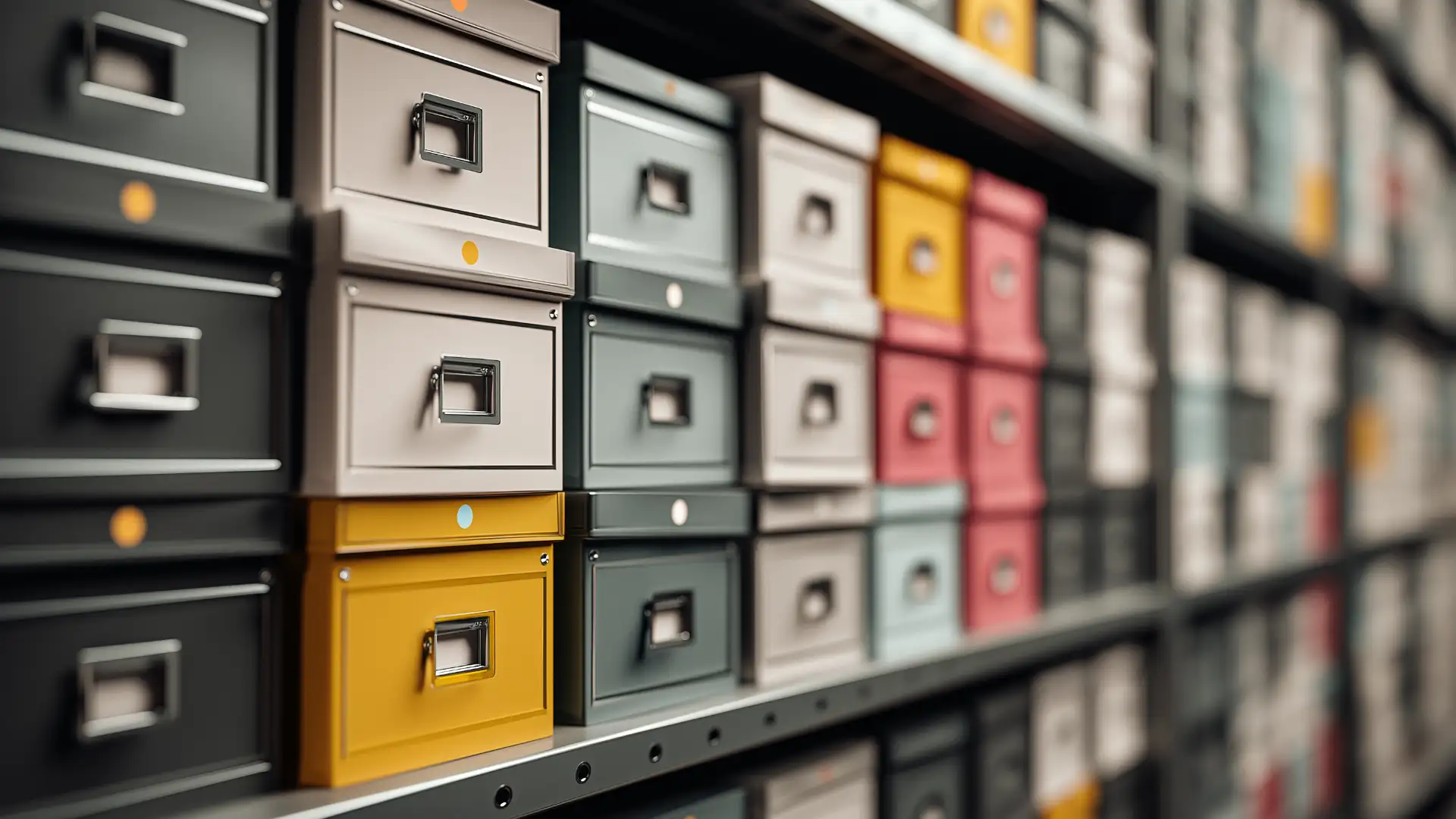
A real-life scenario: Julien, a tradesman between Anglet and Bayonne, juggles jobs, quotes, invoices and warranties. Each year-end, he loses half a day sorting piles of boxes at home. He creates a “mini archive room”: documents are grouped by year (invoices, banking, insurance, after-sales), stored in identical archive boxes, and placed on a small shelving unit to avoid unstable stacks. To avoid choosing the wrong size, he uses a storage size calculator, then picks a unit with easy access. In two visits, he clears his cupboards and gets a clean, functional workspace — with quick access whenever a document is needed.
- Free up valuable square metres: your office or back room becomes productive again instead of being “eaten” by boxes.
- Keep paper in better conditions: a clean, dry space reduces warping, smells and losses.
- Separate business and personal life: no more client files on the living-room shelf.
- Stay flexible: adjust unit size when activity grows (tax season, peak sales), without a long lease.
- Manage costs: depending on your situation, storage can be booked as a business expense (and VAT may be recoverable if applicable).
What other professionals can take from it
- Define your archive perimeter: what must stay on-site (active files) vs. what can move (closed years).
- Standardise containers: sturdy archive boxes, same format, clear labels (year + type + number).
- Create a simple index: a spreadsheet or shared note with locations (shelf A / row 2 / box 04).
- Keep an “audit-ready” section: key contracts and fast-needed documents near the front.
- Build a routine: 15 minutes per month beats a full day once a year.
- Plan confidentiality: closed boxes, sensitive documents grouped together, access limited to the right people.
Go further: other storage ideas that help professionals
- Move archives and boxes off-site to free up your shop, workshop or office space.
- Store sensitive documents in a clean, dry and secure environment (not a damp cellar).
- Adjust unit size to match busy periods, without heavy commitments.
- Use practical access hours to drop off or pick up before/after work.
- Turn storage into a process (routine + inventory) to find any file in minutes.
Preparing year-end accounts and running out of room? Talk to our team: we’ll help you choose the right unit for your archives and set up a simple, efficient system near Bayonne/Anglet.