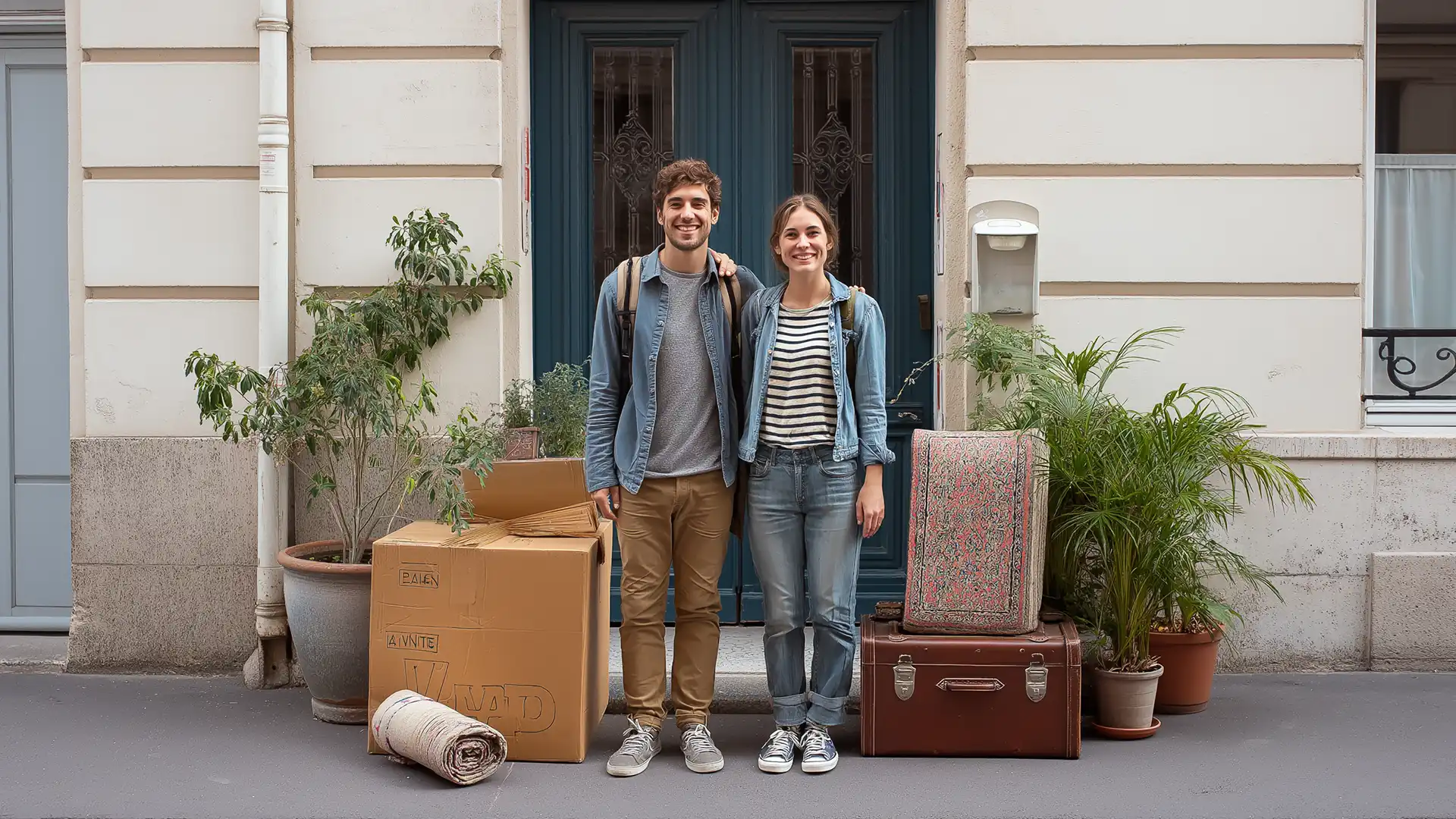
Moving as a couple: how to avoid double trouble
Two homes to empty, duplicate furniture, different habits… Discover how a storage unit in the Basque Country can help you avoid double stress when moving in together.
Moving in together is an exciting step – but also a major logistical challenge. Two homes to empty, two sets of furniture, duplicate appliances, different ways of organising… and a lot of emotions on top. In compact flats and houses around Bayonne, Anglet and Biarritz, it is easy to feel like you are doing “two moves at once”. With a bit of planning, clear rules and a nearby self-storage unit, you can reduce both the physical and mental load of moving in together.
Why moving in together often feels like “double work”
When you move alone, you only manage your own belongings. As a couple, you combine volumes, schedules and expectations – which quickly doubles the load.
- Two homes to empty, often with different move-out dates and obligations.
- Lots of duplicates: two sofas, two beds, two fridges, piles of similar crockery and cooking gear.
- Two ways of storing and organising, which do not always match.
- Increased mental load: admin, contracts, key handovers, movers, address changes…
- Limited space in the new home, where every square metre matters.
Without a method, you may move everything “as is”, overfill the new home and then have to sort through it all over again – this time with less space and more fatigue.
Step 1: set the ground rules together
Before talking about boxes or vans, it helps to align on a few basics. This will prevent many conflicts and reduce the mental load.
- Talk about the new home: size, layout, style and needs (home office, guest room, storage for sports gear…).
- Make a list of essentials for each room: bed, sofa, table, main appliances, wardrobes.
- Identify “favourite pieces” for each person (armchair, bookshelf, heirloom furniture).
- Agree on a principle: do you prioritise quality, practicality, storage or style when choosing between duplicates?
- Share responsibilities for admin, movers, storage, packing, so that one person does not carry everything.
Step 2: handle duplicates without arguments
Duplicate items are at the heart of the “double load” problem: if you bring everything into the new place, you will quickly run out of space.
- List duplicates by category: beds, sofas, appliances, crockery, storage units…
- Compare condition, size and suitability for the new home (age, energy efficiency, dimensions).
- Decide what stays, what goes and what waits: keep, sell/donate or store temporarily in a self-storage unit.
- Use the unit as a “neutral zone” for items you cannot decide on yet. You can make decisions once you are settled.
- Avoid filling the new home “just in case”: it is much harder to sort in a cluttered space.
Step 3: use a storage unit to smooth the transition
A self-storage unit acts as a third place between your two old homes and the new one. It reduces both the logistical and emotional load.
- Centralise belongings from two homes progressively in one neutral, secure space.
- Prevent overloading the new flat with all furniture and boxes on day one.
- Keep flexibility if move-out and move-in dates do not match perfectly.
- Make it easier to “turn the page” on old homes once they are fully cleared.
- Protect furniture and boxes in a clean, dry building rather than in improvised garages or sheds.
In the Basque Country, a well-organised 3–6 m² unit is often enough to absorb duplicates and make the transition smoother.
Case study: moving in together without overfilling the new flat
In Biarritz, Léa and Hugo are moving in together in a 3-room flat in Anglet. They both come from furnished 2-room flats, each with full sets of furniture and appliances. Instead of moving everything straight into the new flat, they rent a 6 m² storage unit nearby. They list duplicates, choose one bed, one sofa, one fridge and one table, and move the rest into the unit. Items they are unsure about are stored there while they settle in. Once they have lived in the new flat for a few weeks, they decide what to keep, sell or donate. The result: a clear, welcoming home from day one and far fewer arguments about “whose furniture stays”.
Sharing the mental load of the move
The double load is not just the number of boxes – it is also all the things to remember and organise.
- Create a shared checklist for admin, keys, movers, packing, storage, address changes.
- Assign clear ownership for each topic so that both of you contribute.
- Schedule short weekly check-ins to review progress and adjust if needed.
- Set realistic limits on how many evenings and weekends you dedicate to packing.
- Use the unit to relieve time pressure: you do not need to decide everything on moving day.
You might also like
- Align on needs and priorities for the new home before you start packing.
- Sort duplicates before moving them into the new place.
- Use a storage unit as a neutral space for undecided items and to centralise belongings from two homes.
- Share the mental load of the move with a clear, shared checklist.
- Take advantage of flexible storage rental to spread your move over several stages.
Moving in together does not have to mean double stress and double clutter. By preparing decisions in advance, using a self-storage unit in the Basque Country as a buffer and sharing responsibilities, you can turn this move into a positive project instead of a source of tension. Estimate your storage needs, choose the most convenient centre and book your unit online in just a few clicks.